
How Personalized Storybooks Help Indian-American Kids Connect With Their Roots
Why Personalization Works Better Than Generic Books
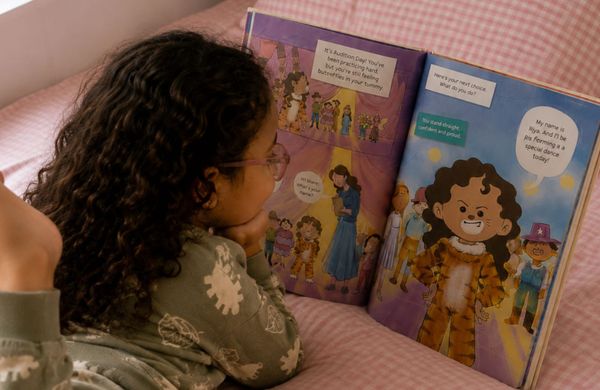
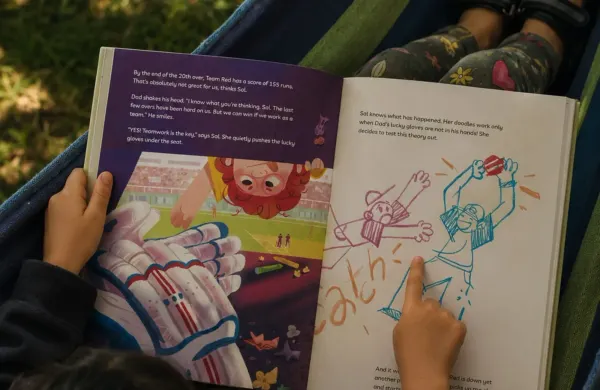
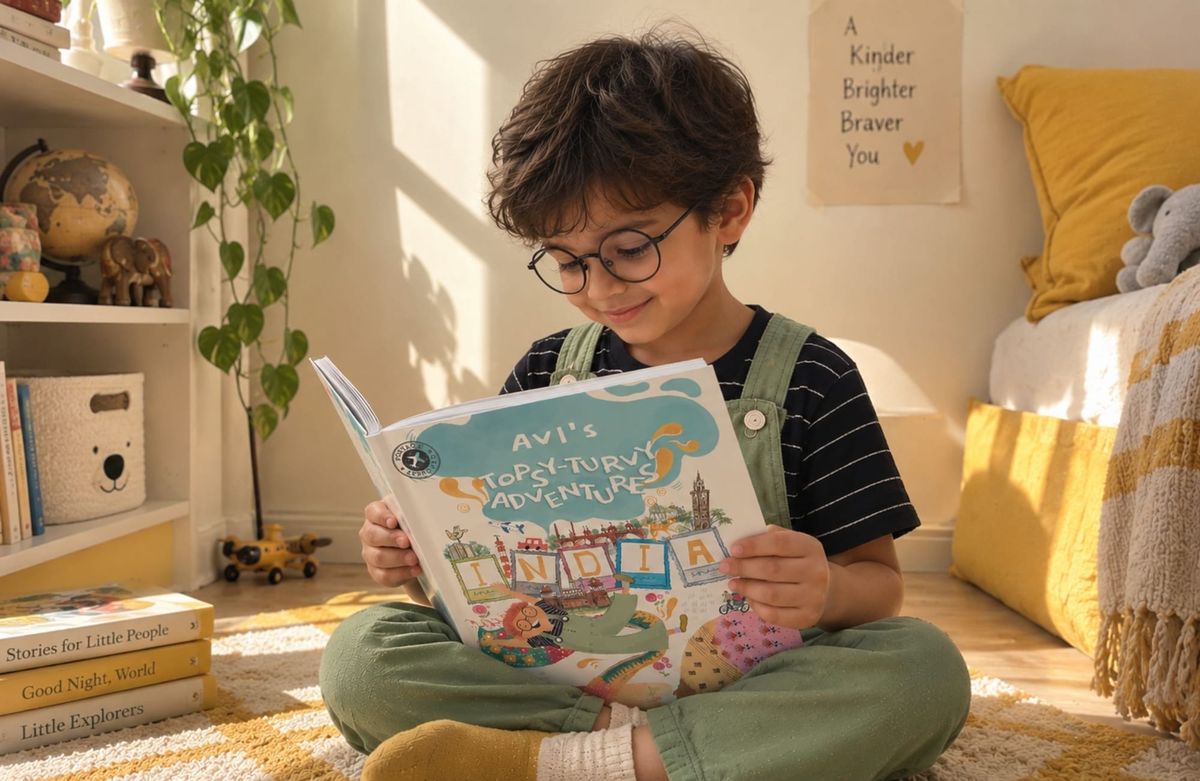
A generic storybook about India, however well-intentioned, keeps a child at arm's length. They're reading about a culture. A personalized storybook puts them inside it: the illustrated character on the page, customized to look like them, is the one at their grandmother's table.
That shift matters because kids don't build pride from facts. They build it from feeling like the hero of something that matters. These books do that on purpose:
- The illustrated character reflects how your child actually looks
- The story treats the culture as something the child already belongs to, not something being explained to them
- The child sees themselves as the hero, not just a name on a dedication page
What Indian Heritage Books Get Right (and Miss)
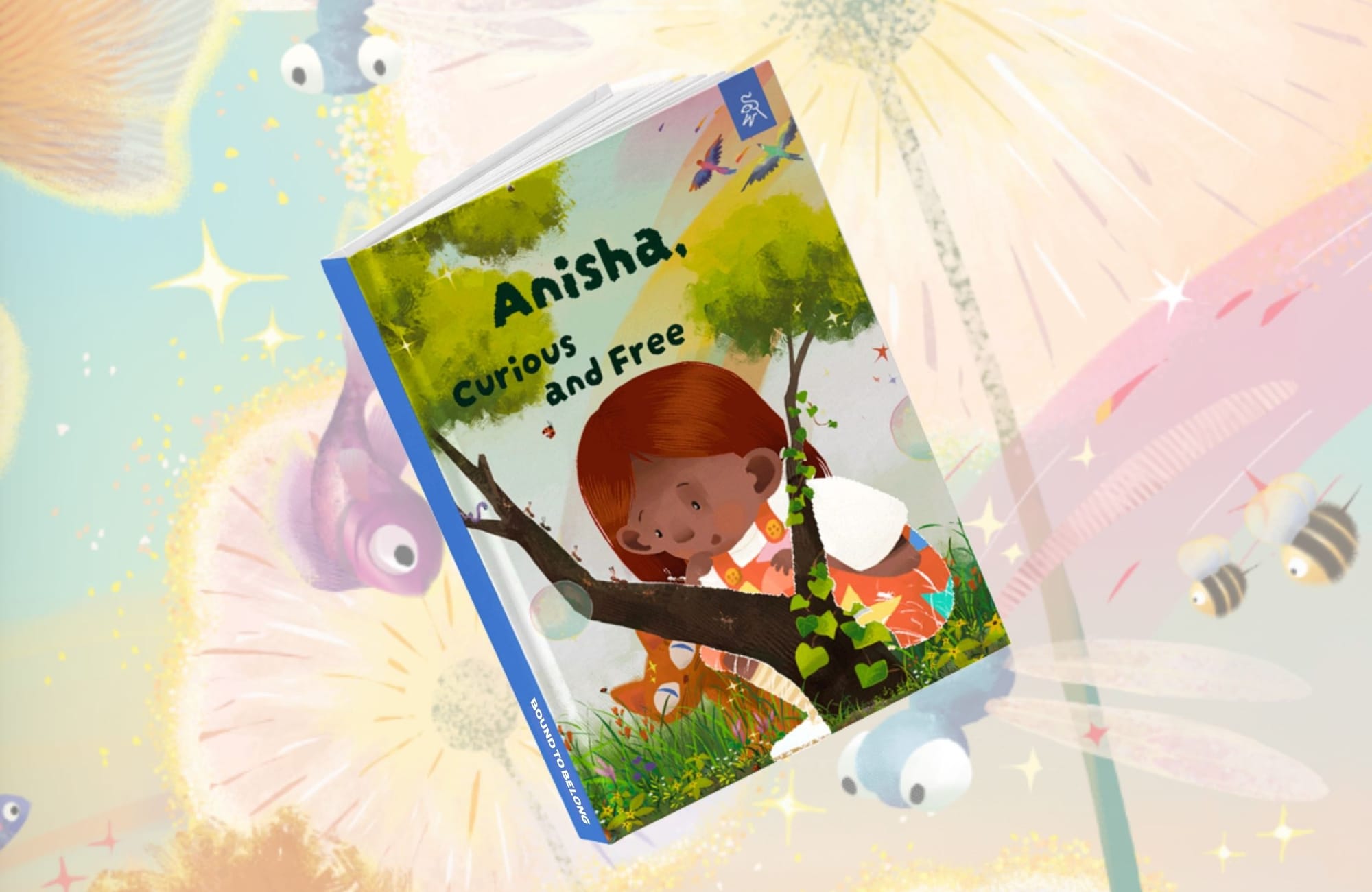
Plenty of Indian heritage books are beautifully made, but many were written in India, for kids growing up there. A book that assumes a child already knows what a diya is, or already speaks Hindi at home, can leave an Indian-American kid feeling like a visitor to their own heritage.
The best heritage books for a diaspora family close that gap. Look for:
- Specific, sensory detail — a particular sweet, a particular song, a particular kitchen — over broad cultural summaries
- A child who lives in the US and is still completely, unquestionably part of the culture on the page
- No moment where the book pauses to explain a tradition like a textbook footnote
More Than Representation
Representation gets talked about as the finish line. It's really just the starting point. A book can put a brown-skinned kid on the cover and still miss the mark if the story doesn't let that kid feel proud of anything specific.
Real cultural identity books go a layer deeper. They don't just show a festival, they show why it matters to the family celebrating it. They don't just mention a language, they let a character use it naturally, the way families actually mix English and Hindi or Tamil or Gujarati mid-sentence at the dinner table. That specificity is what turns a book into something a kid actually holds onto.
Matching the Book to the Age
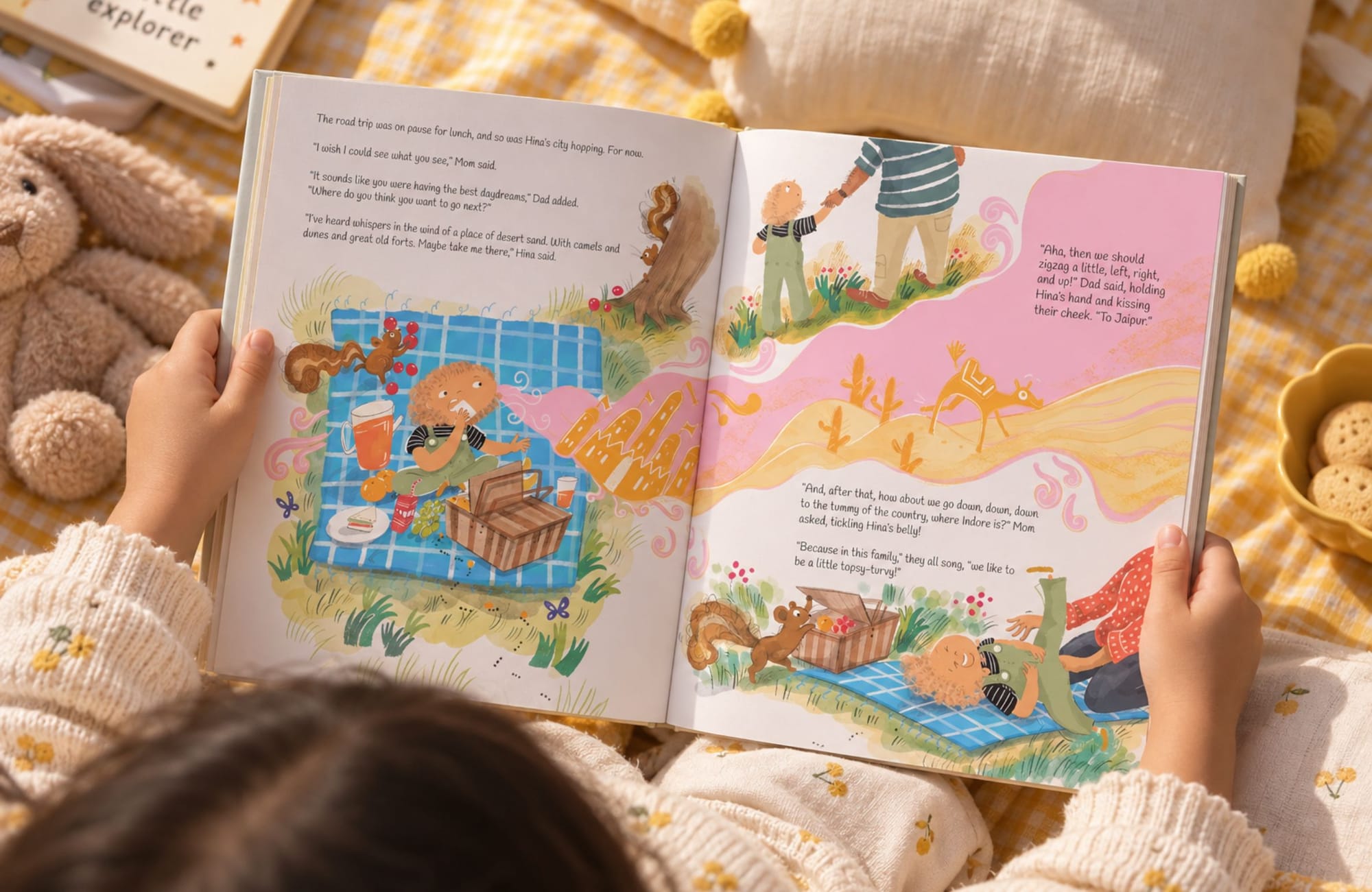
- Toddlers and young preschoolers: Simple, joyful stories built around one festival or family moment. Repetition and bright illustration matter more than plot here.
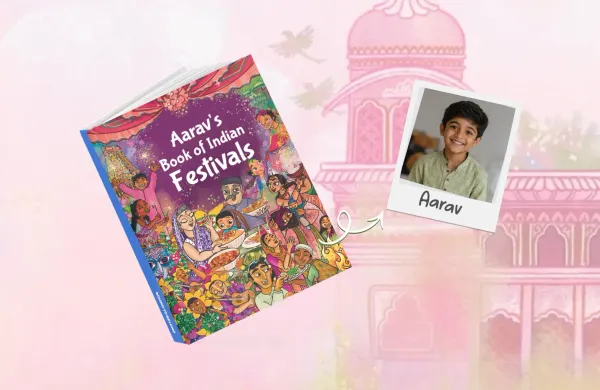
- Early readers (4–7): Personalized adventure stories shine here. An Indian Book of Festivals, with your child's character moving through Diwali, Holi, and Rakhi, gives them a story they'll ask to reread.
- Older kids (7–10): This age starts asking harder questions about who they are. Stories rooted in family games, spiritual traditions, or a grandparent's journey give them something to sit with, not just enjoy.
Books About Indian Culture vs. Personalized Cultural Books
Books about Indian culture, as a category, are written to inform, and there's a place for that on any shelf. Personalized cultural books do something different: they put the child inside a story where that culture is simply theirs, no explanation required. If you want facts about India, a general book will do the job. If you want your child to feel proud and unquestionably part of the story, personalization closes that gap.
Where Multicultural Books Fit
Multicultural children's books, the kind that introduce kids to cultures outside their own, do important work building empathy and curiosity. But for a child who's already part of that culture, they can't do what a personalized story does. They can inform. They can't make a kid feel like the hero of their own heritage. Both belong on a shelf, they're just answering different questions.
Choosing the Right Book
Start with the feeling you want your child to walk away with. Confident about a festival they already love? Curious about a grandparent's story? Proud to see themselves as the hero? The right book usually reveals itself from there. A story that nails one small, true detail, like the exact way your family says a word, will land harder than one that stays broad to appeal to everyone.
What's the one small, true detail—the exact way your family says a word or celebrates a festival—you most want to see reflected in your child's books?